
Liquid penetrant inspection (LPI), also known as dye penetrant inspection, is a dependable, effective, and economical technique for identifying surface imperfections in welds, castings, and other components that cannot be damaged. LPI or dye penetrant is a portable method for inspecting surfaces, enabling our Engaged Experts to perform thorough on-site assessments.
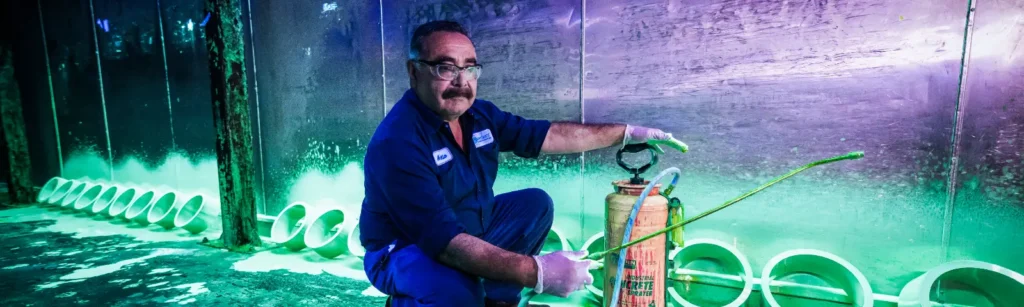
The use of liquid penetrant inspection is a useful method for assessing non-magnetic and non-metal materials. In addition to using dye to detect flaws and fractures, it can also be employed to assess other surface qualities like porosity.
The procedure for Dye Penetrant Inspection
Before applying the liquid penetrant, components need to undergo a pre-cleaning process such as etching, alkaline cleaning, or solvent-cleaning. Once the penetrant has been applied and given sufficient time to dwell, any excess penetrant is removed from the surface, leaving any potential defects untouched. The part is then dried and a developing powder is used to reveal any dye that has seeped into cracks or pores, highlighting visible marks that indicate surface flaws. Based on these findings, an inspector generates a report detailing the type, number, and size of defects present on the component.
Our non-destructive testing (NDT) specialists have received thorough training in liquid penetrant inspection and are certified at Level II and III by ASNT, along with other relevant qualifications. IEMA offers Type II non-fluorescent NDT services for a wide range of commercial and nuclear codes, as well as Type I fluorescent inspection for aerospace, government, nuclear, and after-market applications.